

Description
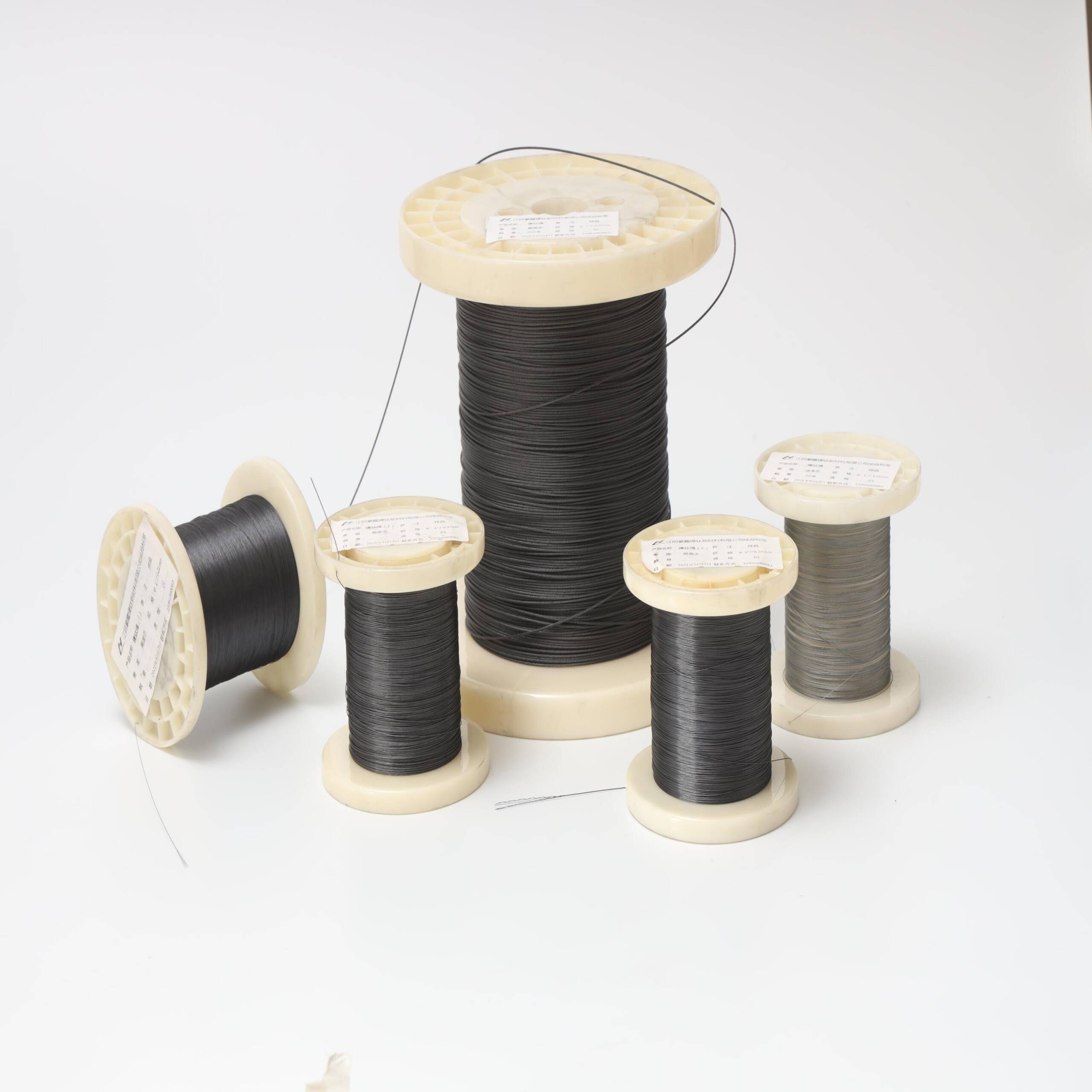
Nitinol Stranded Wire Rope
What Is Nitinol Stranded Wire Rope?
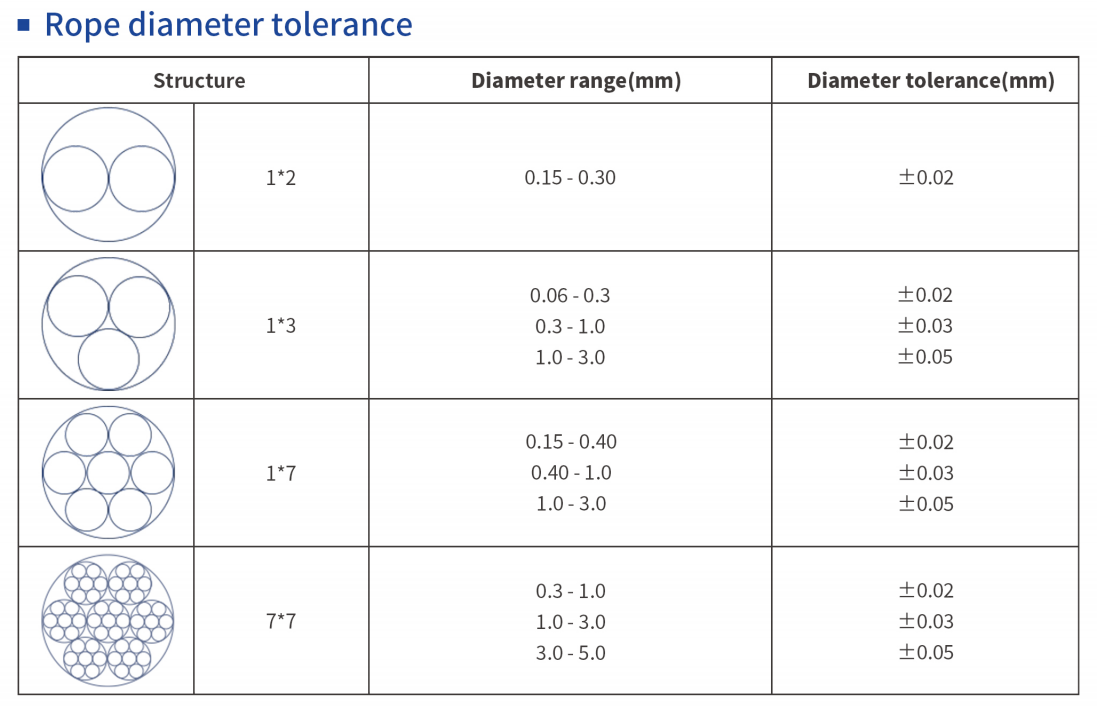
Nitinol Stranded Wire Rope is a specialized cable made by twisting multiple thin Nitinol wires together. Manufacturers combine nickel and titanium to create the Nitinol alloy. This unique combination gives the material remarkable mechanical properties.
Because each wire contributes strength and flexibility, the stranded structure improves durability while maintaining excellent bending capability. As a result, Nitinol Stranded Wire Rope performs well in demanding applications that require repeated movement and reliable performance.
How Nitinol Materials Are Manufactured
Many engineers ask how Nitinol components are produced. First, manufacturers start with a solid billet of nickel-titanium alloy. Then they heat the billet and pierce it to form a hollow structure. Engineers usually perform this step using extrusion or rotary piercing methods.
Next, technicians draw the material through a series of precision dies. Each drawing stage gradually reduces the diameter and improves surface quality. At the same time, manufacturers apply controlled heat treatments to adjust the transformation temperature and mechanical behavior.
Therefore, careful temperature control and precise processing ensure the final material achieves the required flexibility and strength.
Advantages and Limitations of Nitinol
Nitinol offers several outstanding advantages. For example, the alloy provides exceptional elasticity, corrosion resistance, and fatigue performance. These properties allow engineers to design flexible components that maintain long service life.
However, Nitinol also presents several challenges. First, the alloy costs more than many traditional metals because production requires strict composition control and high-purity materials. In addition, machining Nitinol can be difficult since the alloy tends to harden quickly during processing.
Furthermore, manufacturers must carefully control the transformation temperature. Small variations during production can change how the material responds to heat. Finally, joining Nitinol with other metals often requires specialized welding techniques.
Applications of Nitinol Wire Rope
The key advantage of Nitinol Stranded Wire Rope lies in two unique properties: shape memory and superelasticity. Shape memory allows the cable to return to its original form after deformation when heat is applied. Meanwhile, superelasticity allows the rope to bend significantly and immediately recover its shape.
•Mechanical properties
Upper platform |
Tensile |
Elongation |
Residual deformation |
Phase transition |
>350MPa |
>1000MPa |
>10% |
<0.5% |
-10~20℃ |
Reviews
There are no reviews yet.